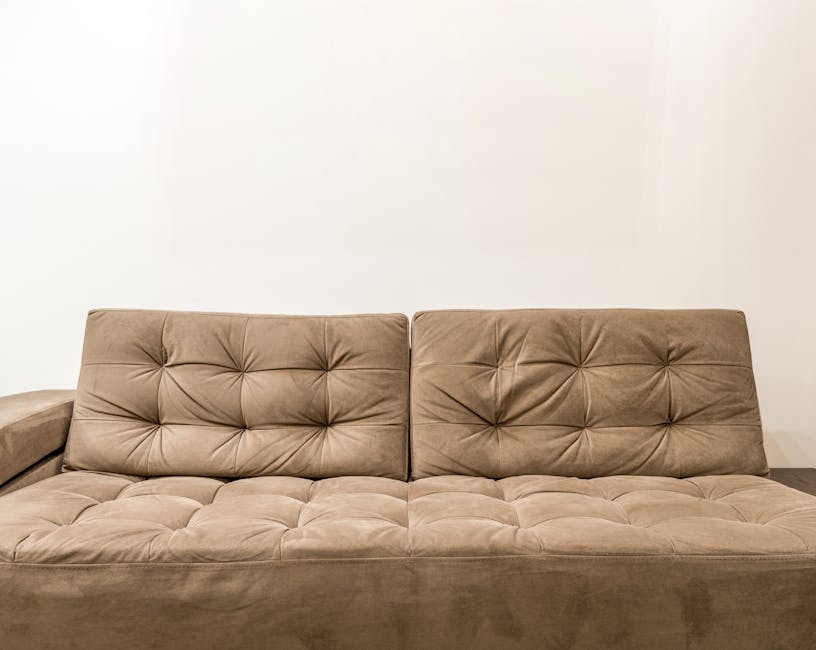
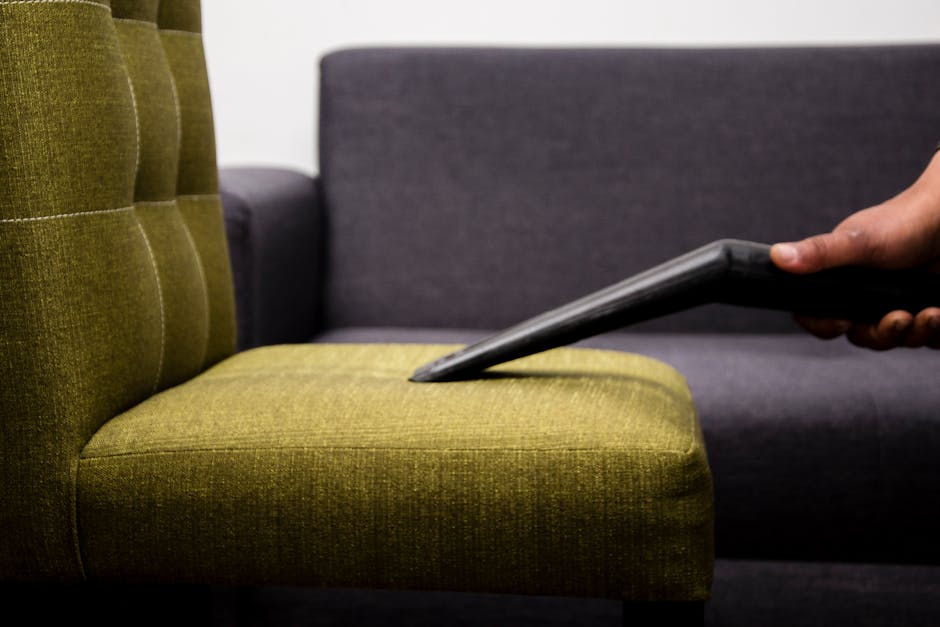
Real cost of sofa cleaning in Hounslow for landlords
If you let out property in Hounslow, sofa cleaning is one of those jobs that looks small on paper and somehow becomes a headache at checkout. A tenant moves out, the lounge smells a bit lived-in, the fabric has a few mystery marks, and suddenly you are weighing up whether to clean, replace, or deduct from the deposit. The real cost of sofa cleaning in Hounslow for landlords is not just the invoice. It is the time saved, the risk reduced, and the standard you need to keep the property presentable for the next tenant.
This guide breaks down what landlords actually pay, what changes the price, what a proper clean should include, and how to avoid the usual overspend. You will also find a practical checklist, a comparison of methods, and a simple way to judge value rather than just chasing the cheapest number. To be fair, that is usually where landlords save the most money anyway.
Table of Contents
- Why real cost of sofa cleaning in Hounslow for landlords matters
- How sofa cleaning pricing works
- Key benefits and practical advantages
- Who this is for and when it makes sense
- Step-by-step guidance
- Expert tips for better results
- Common mistakes to avoid
- Tools, resources and recommendations
- Law, compliance, standards, or best practice
- Options, methods, or comparison table
- Case study or real-world example
- Practical checklist
- Conclusion
- Frequently asked questions
Why real cost of sofa cleaning in Hounslow for landlords matters
For landlords, sofa cleaning is rarely about making a lounge look lovely for a photo. It is usually about protecting condition, reducing void-period stress, and keeping a property ready for a new tenancy without avoidable delay. In Hounslow, where rentals can turn over quickly and many tenants expect clean, move-in-ready homes, a tired sofa can drag the whole room down.
The cost matters because "cheap" can be expensive later. A rushed clean may leave odours, faint stains, damp patches, or detergent residue that shows up once the light hits the fabric in the afternoon. Then you are back to square one. That is frustrating, especially if the inventory photos already show the issue. In rental property, one small upholstery job can affect the perceived standard of the entire home.
There is also the landlord side of the equation: deposit disputes. If a sofa was left stained or heavily soiled, you need evidence, a fair cleaning approach, and a sensible cost basis. Overpaying for over-cleaning is one problem. Under-cleaning and having to replace furniture earlier than planned is the other. Neither is ideal.
Practical takeaway: the real cost is not just the cleaning fee. It is the fee plus the risk of repeat visits, damage from the wrong method, tenant complaints, and the replacement cost you may avoid by cleaning properly the first time.
That is why landlords in Hounslow tend to do best when they look at upholstery cleaning as part of planned property maintenance, not an emergency tidy-up. A bit boring? Maybe. But very effective.
How sofa cleaning pricing works
Sofa cleaning prices are usually shaped by a handful of predictable factors. Once you understand them, quotes make much more sense and you can spot when something is unusually high or suspiciously low.
1) Sofa size and seating count
This is the obvious one. A two-seater typically costs less than a large corner sofa or multiple upholstery items. More cushions, more fabric, more time. Simple enough. A compact flat in Hounslow might only need one sofa freshened up, while a family house with a sectional sofa, armchairs, and footstool can push the price up quickly.
2) Fabric type
Some materials are straightforward, others need a gentler touch. Microfibre, synthetic blends, wool mixes, velvet, and delicate natural fabrics all behave differently. The more careful the process, the more time and skill it takes. If a technician has to test a spot, adjust the cleaning solution, and work around a delicate weave, that is reflected in the quote.
3) Soil level and staining
Light dust and normal wear are one thing. Pet odours, drink spills, body oils, and ingrained grime are another. Heavy soiling often needs pre-treatment, agitation, extraction, and a slower drying approach. In other words, more labour. A fair quote should reflect the reality of the sofa, not just the sofa type.
4) Access and parking
In some Hounslow properties, access is easy. In others, it is not. Narrow stairs, limited parking, controlled access, or top-floor flats can increase the practical effort. Usually it is not dramatic, but it can be relevant if equipment has to be carried a long way or there is no convenient place to unload.
5) Add-ons
Some landlords ask for deodorising, stain protection, pet treatment, or multiple fabric items to be done at the same visit. This can be good value if planned properly. It can also become a pile-on of extras if no one is keeping an eye on the total. Ask what is included, what is optional, and what really matters for the property's next tenancy.
In normal terms, most sofa cleaning quotes are built around labour, equipment, products, complexity, and time on site. If a quote does not explain those parts clearly, that is a small warning sign. Not a disaster, just a sign to ask sharper questions.
Key benefits and practical advantages
Done properly, upholstery cleaning gives landlords a few very real advantages that go beyond a nicer-looking sofa.
- Better presentation: clean upholstery makes the living room feel cared for, even if the rest of the property is still being prepared.
- Lower replacement pressure: regular cleaning can extend the useful life of sofas, chairs, and stools.
- Less deposit friction: a professional clean with evidence is easier to justify than an improvised attempt with a supermarket spray and crossed fingers.
- Improved tenant satisfaction: new tenants notice fresh-smelling, clean furniture straight away.
- Reduced odours: this matters a lot in furnished lets where smoke, food, or pet smells have built up over time.
- Health and hygiene support: while cleaning is not a medical treatment, removing dust, residues, and allergens can make a property feel fresher and more comfortable.
There is also a financial angle. A sofa that lasts longer is a sofa you do not have to replace as soon. That sounds obvious, but landlords often forget how quickly repeated stains and neglected fabric can shorten furniture life. A fairly priced clean can buy you another tenancy cycle or two. Sometimes more.
And let's face it, in a furnished rental, the sofa is often one of the first things a prospective tenant notices on a viewing. It has a quiet kind of power. Not glamorous, but important.
Who this is for and when it makes sense
This topic is especially relevant if you are a landlord, letting agent, or property manager handling furnished accommodation in Hounslow. It also applies if you are preparing a property between tenants and want to avoid the false economy of replacing furniture too soon.
It makes sense to book sofa cleaning when:
- a tenancy has ended and the upholstery has visible marks or smells stale;
- you are updating a furnished property before re-marketing it;
- the inventory check shows general wear that is not bad enough to replace the item;
- there are pets, children, or regular tenant turnover;
- you want to reduce the chance of future disputes by leaving the lounge in solid condition.
It may be less necessary if the sofa is already near the end of its life, badly damaged, or structurally tired. In that case, cleaning can still improve the look a little, but it will not work miracles. Truth be told, no cleaner wants to promise a miracle on a saggy sofa with a broken frame.
For landlords of HMOs, short lets, and student rentals, the decision is even more practical. These properties often need quicker turnaround and more frequent refreshes. You do not necessarily need the most expensive service, but you do need one that is reliable, insured, and able to work to schedule.
Step-by-step guidance
If you want the real cost of sofa cleaning in Hounslow for landlords to make sense, it helps to look at the process from first enquiry to final sign-off. A decent provider should make this pretty straightforward.
- Inspect the furniture. Identify the number of items, the fabric type, visible staining, and any damage. A few quick photos help a lot.
- Request a clear quote. Ask what is included, whether stain treatment is extra, and whether there are any access or minimum-charge rules.
- Check practical details. Confirm arrival time, parking needs, drying expectations, and whether cushions or loose covers are included.
- Prepare the property. Move small items, clear the area around the sofa, and make sure the cleaner can work without obstacles. A tidy room speeds everything up.
- Carry out patch testing. On delicate fabrics, testing a small area first is normal and sensible.
- Pre-treat stains and problem areas. This may include food marks, armrest darkening, and seat wear.
- Clean using the appropriate method. Hot water extraction, low-moisture cleaning, or dry-style methods may be used depending on the fabric.
- Review the result. Check for remaining marks, odour, dampness, and any changes to the pile or texture.
- Document the outcome. Keep photos for your records, especially if the work is part of a checkout or deposit discussion.
- Schedule future maintenance if needed. A repeat clean is often cheaper and easier than a late-stage replacement.
If you are booking several property jobs at once, it can be smart to coordinate sofa cleaning with carpets, mattresses, or curtains. Less downtime, fewer separate visits, and fewer phone calls. Always a bonus.
Expert tips for better results
Here are the little things that make a big difference. Not glamorous, but very real.
- Ask for fabric-specific cleaning. A one-size-fits-all approach is not ideal for upholstery.
- Be honest about the condition. If the sofa has pet urine, heavy drink stains, or smoke smell, say so early. It helps with pricing and results.
- Compare like for like. A quote that includes stain treatment and deodorising may be better value than a cheaper one that does not.
- Ask about drying times. Fast drying matters when you have a new tenant arriving soon.
- Use inventory photos. They make checkout conversations less awkward. And yes, a bit less awkward is welcome.
- Book before the move-in rush. If you leave it until the last afternoon, you lose leverage and sometimes pay for urgency.
One small but useful habit: keep a simple property maintenance log. When the sofa was cleaned, what method was used, whether any issue remained, and who approved it. It sounds nerdy. It is also the kind of record that saves time when a deposit claim or repeat tenant issue comes up later.
Also, if a technician says an old stain may improve but not vanish, that is usually more trustworthy than a glossy promise to make everything perfect. Real upholstery work is often about noticeable improvement, not magic.
Common mistakes to avoid
A lot of landlord cleaning overspend comes from avoidable mistakes. The good news is, they are easy to sidestep once you know what they look like.
- Choosing the cheapest quote without checking what is included. Hidden extras often turn a bargain into a mediocre result.
- Assuming all sofas can be cleaned the same way. Fabric differences matter.
- Leaving the booking too late. Late cleaning can delay handover or force you into a rushed service.
- Ignoring odour issues. A sofa can look fine and still smell unpleasant. Tenants notice that immediately.
- Not checking insurance. Accidents are rare, but if something goes wrong, you want the provider to have proper cover.
- Using harsh DIY products first. That can make professional cleaning harder and sometimes worsen the mark.
One particularly common issue is over-wetting. A sofa that feels clean but stays damp too long can create a musty smell. Not ideal in a rental property, especially in winter when windows are closed and the heating is doing all the heavy lifting.
Another mistake? Forgetting that the sofa's age matters. A 10-year-old item may clean well enough for presentation, but it will not suddenly become new again. Manage expectations and you will usually be happier with the outcome.
Tools, resources and recommendations
You do not need a warehouse of gear to make good decisions here, but a few simple resources help landlords keep things tidy and cost-effective.
- Move-in and move-out inventory photos for condition comparison.
- A short checklist for fabric type, stain type, access, and drying time.
- A landlord maintenance calendar so upholstery is not forgotten until it looks frankly tired.
- Written quotes that clearly state what is and is not included.
- Property records showing when furniture was last cleaned and whether deodorising or protection was applied.
When comparing providers, it can also help to look at business information pages that signal reliability and process transparency. For example, you may want to review the company's about us page, check its insurance and safety information, and read the terms and conditions before booking. If you need a clearer idea of pricing structure, the pricing and quotes page is also a sensible place to start.
For landlords who care about process and trust, that extra bit of checking is worth it. It keeps surprises down, which is usually what you want in property management. Not excitement. Predictability.
Law, compliance, standards, or best practice
Sofa cleaning itself is not a heavily regulated activity in the way some trades are, but landlords should still think about standards, safety, and fairness. In the UK rental market, good record-keeping and reasonable maintenance are part of sensible property management. If a sofa is provided as part of a furnished let, it should be kept in a condition that is fit for use and consistent with the tenancy agreement and inventory records.
From a practical standpoint, best practice usually means:
- using an insured provider;
- making sure cleaning products are suitable for the fabric;
- allowing safe drying time before occupation;
- not making unsupported deductions from a deposit;
- keeping evidence of condition before and after cleaning.
If you are handling the tenant's deposit, remember that fairness matters. A charge should generally reflect actual loss, wear beyond fair use, or the reasonable cost of restoring the item. In simple terms, don't guess. Document. If needed, refer to your inventory and checkout notes.
Health and safety also matters on site. Wet floors, moving furniture, cables, and cleaning chemicals all need basic care. If you want to understand how a provider approaches that side of the work, their health and safety policy should give you a good sense of process. The same goes for the payment and security page if you prefer a cleaner, more transparent transaction.
That kind of due diligence may sound a bit dry, but it prevents awkward conversations later. And awkward conversations are already part of letting property, so why invite more?
Options, methods, or comparison table
Not every sofa needs the same treatment. The right method depends on fabric, level of soiling, time available, and how quickly the room needs to be back in use.
| Method | Best for | Typical strengths | Possible drawbacks |
|---|---|---|---|
| Hot water extraction | Many synthetic and hard-wearing fabrics | Deep cleaning, strong soil removal, good for general tenancy refreshes | Longer drying time if the sofa is heavily saturated |
| Low-moisture upholstery cleaning | Faster turnaround jobs | Quicker drying, useful for busy changeovers | May be less effective on very deep stains |
| Dry-style or specialist fabric cleaning | Delicate fabrics and sensitive upholstery | Gentler approach, reduced risk of over-wetting | Can be more method-specific and not ideal for every stain |
| Spot treatment only | Minor marks | Lowest interruption, useful for small touch-ups | Does not solve broader dirt, odour, or wear patterns |
For landlords, the "best" method is not the one with the flashiest name. It is the one that gets the sofa presentable, dries in time, and does not create a bigger problem. If you are unsure, ask what they would recommend for your fabric and why. A good provider will answer in plain English.
Case study or real-world example
Here is a realistic example from a typical Hounslow rental turnover. A landlord with a furnished two-bed flat had a three-seater sofa that looked clean from a distance, but the seat cushions had darkening on the armrests, a faint food smell, and a couple of marks from drink spills. Replacement was not necessary, but the room looked dull, and the inventory photos made the furniture seem worse than it felt in person.
The landlord requested a quote, shared photos, and booked a pre-tenancy clean. The cleaner identified the fabric, applied stain treatment to the high-traffic areas, and used a method suitable for the upholstery type. The sofa came up noticeably better, the smell lifted, and the landlord avoided buying a replacement too soon.
The important part was not that the sofa became flawless. It didn't. It became good enough to support a fresh, professional letting standard. That is often the real win.
Would a bargain cleaner have saved money upfront? Maybe. But if the marks had remained and the landlord had still needed to replace the sofa, the "savings" would have vanished fast. That is the bit people miss.
Practical checklist
Use this before you request quotes or approve a visit.
- Confirm how many upholstery items need cleaning.
- Note the sofa size, fabric type, and visible wear.
- Take clear photos in daylight.
- List problem areas: stains, odours, pet hair, armrest grime, or spills.
- Ask what is included in the quote.
- Check if stain removal, deodorising, or protection are optional extras.
- Confirm drying time and access arrangements.
- Ask whether the provider has insurance.
- Compare service value, not just the headline price.
- Keep a record for inventory and deposit purposes.
If you want to keep things smooth, that checklist is usually enough. Nothing fancy. Just solid landlord housekeeping, which is honestly what saves the most time.
Conclusion
The real cost of sofa cleaning in Hounslow for landlords depends on more than the number on the quote. It is shaped by fabric, size, soil level, access, and how quickly you need the property ready again. More importantly, the real value lies in avoiding replacement, reducing disputes, and keeping furnished rentals presentable for the next tenant.
Used sensibly, sofa cleaning is one of those small maintenance decisions that quietly protects rental income. It is not glamorous. It is not dramatic. But it is often the difference between a property that feels cared for and one that feels a bit neglected. And tenants notice, even if they don't say it out loud.
If you are weighing up whether to clean or replace, compare the cost of one proper upholstery clean against the price of a new sofa, the disruption of delivery, and the time spent managing the handover. In many cases, the answer becomes pretty clear.
Get a free quote today and see how much you can save.
For a straightforward next step, you can also contact the team directly and ask for a quote based on your sofa's condition, fabric, and access details. If you care about sustainability as well, it may be worth reading the recycling and sustainability information too. A small bit of planning now can save a lot of faff later.
Frequently Asked Questions
How much does sofa cleaning usually cost for landlords in Hounslow?
It varies by sofa size, fabric, staining, and access. A small, lightly soiled sofa will usually cost less than a large corner unit with heavy marks or odour issues. The most reliable approach is to request a written quote from photos and item details.
Is sofa cleaning worth it before a new tenant moves in?
Usually, yes. If the sofa is structurally sound, a professional clean can improve presentation, reduce smell, and extend the life of the furniture. For many furnished rentals, that is better value than replacing the item too early.
Can a sofa cleaner remove old stains completely?
Sometimes, but not always. Old or set-in stains may improve significantly without disappearing entirely. Fabric type, previous DIY treatment, and the stain itself all affect the outcome. A careful provider should explain this honestly before starting.
How long does a sofa take to dry after cleaning?
Drying time depends on the method used, the fabric, airflow, and indoor temperature. Some low-moisture methods dry faster, while deep cleaning can take longer. If you need quick turnaround between tenancies, ask about expected drying time upfront.
Should landlords clean sofas after every tenancy?
If the property is furnished and the sofa has been used regularly, a clean between tenancies is often sensible. It helps with hygiene, presentation, and inventory consistency. The need is greater in higher-turnover rentals or properties with pets.
What affects the price more: size or stains?
Both matter, but heavy staining and delicate fabrics can push the price up quickly because they require more time and care. A large sofa in good condition may sometimes be easier to clean than a smaller one with deep-set grime.
Do I need proof of cleaning for deposit deductions?
It is wise to keep invoices, photos, and inventory records. If there is a deposit discussion later, clear evidence helps show what the sofa looked like before and after cleaning. Fairness and documentation go hand in hand.
Is upholstery cleaning safe for all fabrics?
Not every method suits every fabric. That is why patch testing and fabric identification matter. A knowledgeable cleaner should choose the process based on the upholstery, not on guesswork.
Can sofa cleaning help with pet smells?
It can often reduce pet odour noticeably, especially when combined with proper pre-treatment. Severe or long-standing odours may need deeper attention, and sometimes replacement is the only real fix. Mild and moderate odours are usually more manageable.
What should landlords ask before booking a cleaner?
Ask what is included, whether stain treatment or deodorising costs extra, how long drying will take, whether the provider is insured, and what happens if a stubborn mark does not fully lift. Straight questions save time.
How do I know if I am getting a fair quote?
A fair quote should reflect sofa size, fabric, access, and condition, and it should explain any extras clearly. If a price looks unusually low, check whether it excludes the things you actually need. Cheap and complete are not always the same thing.
Where can I check service details, policies, and booking information?
It is sensible to review the provider's pricing details, terms and conditions, and complaints procedure before proceeding. That gives you a clearer picture of how the company works and how issues are handled if anything crops up.