Hounslow Council rules for chemical disposal from cleaning: a practical local guide
If you have ever stared at half a bottle of bleach, an old oven degreaser, or a cloudy carpet shampoo and wondered what on earth to do with it, you are not alone. The Hounslow Council rules for chemical disposal from cleaning can feel a bit fiddly at first, especially when you are trying to keep a home, office, or rental property spotless without creating a disposal problem at the end of the job.
This guide explains the basics in plain English: what counts as cleaning chemicals, why correct disposal matters, how local collection and recycling habits usually work, and the safest practical steps to take before you pour, bin, or store anything. It is written for everyday households and for anyone handling regular cleaning tasks in Hounslow, from domestic cleaners to landlords and small business owners.
Truth be told, most people do not need a chemistry degree. They just need a sensible routine, a bit of caution, and the right local habits. Let's get into it.
Why Hounslow Council rules for chemical disposal from cleaning Matters
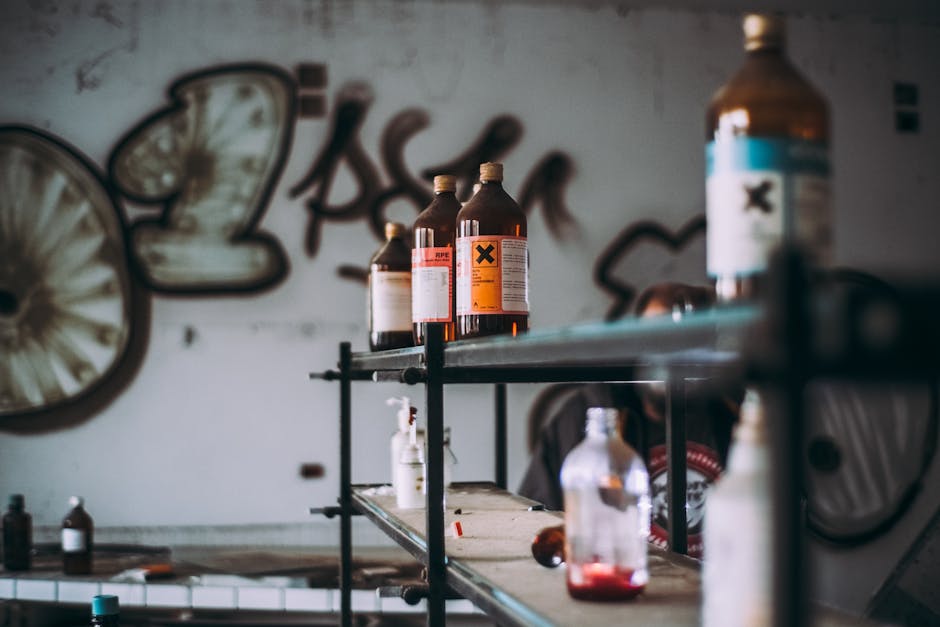
Cleaning products do a good job of removing grease, mould, limescale, and stubborn stains. But once they have done their work, what is left can still be hazardous. Some products may be irritants, some may be flammable, and some can react badly if mixed with the wrong thing. That is why disposal is not just a "throw it away later" task. It is part of the cleaning job itself.
For Hounslow residents, the main issue is simple: chemical waste needs to be handled in a way that protects people, waste workers, drains, wildlife, and the wider local environment. A bottle of kitchen cleaner tipped into the sink may seem harmless in the moment. But if it is concentrated, or if several products are mixed together, it can create unsafe fumes or damage drainage systems. Nobody wants that, least of all the person who has to smell it.
There is also a practical angle. Councils and waste contractors expect household waste to be sorted sensibly. If you dispose of cleaners carelessly, you may create extra risks for collection crews or damage other items in the bin. And if you manage a property, work in a commercial setting, or run regular cleaning tasks, you may have a stronger duty to store and remove these materials properly.
Expert summary: treat cleaning chemicals as something to manage, not just something to use up. Separate, label, secure, and dispose of them according to the product instructions and local waste guidance. That one habit solves most problems.
If you are also dealing with larger clear-outs after a refurbishment or a deep home reset, services like after builders cleaning and house clearance can help reduce the amount of leftover mess you need to tackle yourself.
How Hounslow Council rules for chemical disposal from cleaning Works
The exact route for disposal depends on what the product is, how much you have left, and whether it is still in its original container. In practice, you are usually dealing with one of a few categories: regular household cleaners, stronger specialist products, aerosol sprays, or leftover liquids that should not go into normal bins or drains.
Here is the basic logic. If a product is mild, small in quantity, and clearly intended for household use, it may sometimes be acceptable to empty the remaining contents only if the label says it is safe and local guidance allows it. But do not assume that is true for everything. Strong descalers, oven cleaners, solvent-based products, and anything marked as harmful or corrosive deserve more caution.
Also, packaging matters. A nearly empty spray bottle is not the same as a half-full container of concentrated cleaner. The container, lid, label, and contents all help decide what to do next. If the original label is missing, that makes things trickier. When in doubt, keep the item separate and do not pour it into another bottle just for convenience. That is how accidents happen, usually at the worst possible moment.
For most people, the safest approach is:
- use up products where it is safe and practical to do so;
- store leftover chemicals upright and out of reach of children and pets;
- never mix products together;
- keep hazardous items in their original packaging if possible;
- follow the disposal instructions on the label first, then local council guidance.
This applies whether you are doing a weekly domestic clean, a one-off spring refresh, or a more intensive job such as deep cleaning or domestic cleaning.
Key Benefits and Practical Advantages
Good disposal habits do more than keep you "compliant" in a vague sense. They make life easier. They reduce smells, keep cupboards safer, and prevent half-used products from becoming clutter. That matters more than people think. A messy cleaning cupboard tends to become a hidden problem cupboard.
Some of the biggest practical benefits include:
- Lower safety risk: fewer chances of spills, fumes, or accidental mixing.
- Better home hygiene: no leaking bottles or residue sitting around near food or laundry.
- Cleaner waste handling: safer bins and less contamination of recyclable material.
- Reduced environmental impact: less chance of chemicals entering drains or soil.
- Less stress during clear-outs: especially before moving, letting, or selling a property.
There is a business benefit too. If you are running office cleaning or office cleaners services, clients often notice the behind-the-scenes discipline as much as the visible shine. Safe storage and disposal are part of professional standards, even when nobody is applauding them. Which, to be fair, is how a lot of good cleaning work goes.
And for homes, there is a simple comfort in knowing the cupboard under the sink is not hiding a future problem. Small win. Still a win.
Who This Is For and When It Makes Sense
This guidance is useful for a wide range of people, not just cleaners. In real life, chemical disposal comes up in ordinary situations all the time. The trick is spotting them early rather than waiting until the end of a job when everything is already packed away.
You are likely to need this if you are:
- a homeowner clearing out old cleaning products;
- a tenant getting ready for a move-out clean;
- a landlord preparing a property between lets;
- a cleaner or cleaning company handling several product types in one day;
- an office manager responsible for janitorial supplies;
- someone dealing with leftover chemicals after end of tenancy cleaning or a seasonal deep clean;
- anyone who has found old, unlabeled, or half-used products in a cupboard, garage, loft, or utility room.
A quick example: someone finishing an oven clean might have a small amount of strong degreaser left in the bottle. If the bottle is labelled clearly and the contents are minimal, the next step may be straightforward. If the label has rubbed off, the cap is damaged, and the liquid looks separate or discoloured, do not guess. That is the sort of thing that deserves a safer disposal route.
For homes with many different surfaces and treatments, it can also help to pair disposal planning with services like carpet cleaning, sofa cleaning, or window cleaning so you use fewer harsh products overall.
Step-by-Step Guidance
If you want a simple, practical process, use this one. It is not flashy, but it works.
- Identify the product. Check the label for hazard words such as harmful, irritant, corrosive, flammable, or toxic. If the label is missing, treat the item cautiously.
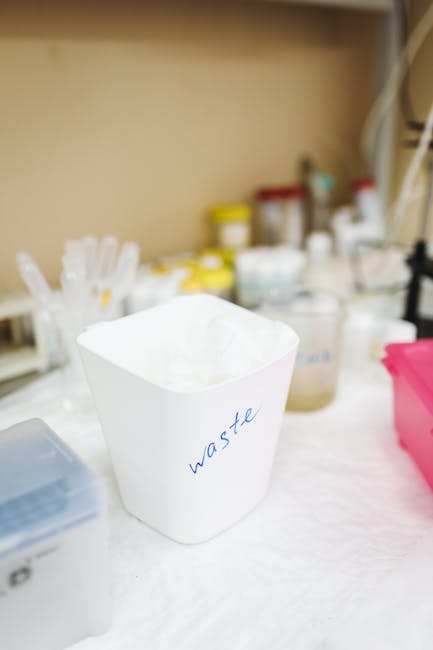
- Separate it from other waste. Keep chemicals away from food waste, general rubbish, recycling, and anything sharp or heavy.
- Use up small safe ??????? where appropriate. Only if the label and instructions clearly allow it, and only for products intended for normal household use.
- Never mix leftovers. Bleach and acidic cleaners are the classic bad pairing. You know the sort of thing. A bit of haste, then a very bad smell.
- Keep the original container if you can. The label helps identify the contents, and the bottle is usually designed for that product.
- Check local disposal advice. Councils typically have guidance for household hazardous waste, special collections, or reuse/recycling options.
- Store safely until disposal. Put the item somewhere cool, dry, and out of reach, ideally in a box or tray that contains leaks.
- Take action promptly. Do not leave dangerous products gathering dust for months. The older they get, the more likely the packaging becomes brittle or unreadable.
If you run a regular cleaning schedule, it helps to build this into routine work. For example, after a one-off cleaning session or a weekly domestic reset, spend two minutes checking what is left in the caddy. Small habit. Big payoff.
One more practical point: do not tip chemicals into drains unless the product instructions clearly say it is safe. Drains are not magic. They are not a free pass. They are just drains.
Expert Tips for Better Results
From an operational point of view, the best chemical disposal strategy starts before the product is even opened. That sounds obvious, but it is where many problems are prevented.
- Buy only what you need. The less excess stock you keep, the less you need to dispose of later.
- Choose multi-purpose products where sensible. Fewer bottles mean simpler storage and fewer disposal decisions.
- Label decanted products clearly. If you move anything into a secondary container, make sure it is still fully identified. Better yet, avoid decanting altogether unless there is a real reason.
- Keep acids and alkalis apart. This is one of the most basic safety rules and one of the easiest to forget when a cupboard is crowded.
- Check expiry or condition. Separating liquid, broken seals, or rusting lids are all signs a product should be reviewed.
- Use stronger cleaners sparingly. A little goes a long way. More is not always cleaner. Sometimes it just means more residue and more waste.
In our experience, people are often more careful with visible hazards than with "ordinary" products like bathroom sprays or floor cleaners. That is understandable, but a harmless-looking bottle can still be the one that leaks under a sink on a warm afternoon. You notice it by smell first. Then by regret.
If you are cleaning a property with lots of surfaces, it may also help to work with trained cleaners or a trusted cleaning company so you are not left storing a pile of half-used chemicals after the job.
Common Mistakes to Avoid
Most chemical disposal mistakes are not dramatic. They are small shortcuts. That is what makes them so common.
- Pouring cleaners down the sink by default. Not every product should go there, and some absolutely should not.
- Throwing liquids into general waste without checking the label. This can leak through bags or react with other rubbish.
- Mixing different products together to "use them up." This can create fumes or unstable mixtures. Bad idea, full stop.
- Removing labels. Once you do that, identification becomes harder for everyone.
- Storing products near heat. Boilers, radiators, and hot cupboards are not ideal for aerosols or flammable liquids.
- Ignoring old containers. That forgotten bottle in the garage may be the most troublesome item you own.
There is also a human mistake that happens a lot: assuming "small amount" means "no issue." Sometimes that is true. Sometimes it is not. The difference lies in the product type, not just the volume. A tiny amount of one chemical can be far more problematic than a larger amount of a mild cleaner.
If a job has produced lots of waste overall, you may need to think about the bigger clean-up too, especially with services such as house cleaning or cleaner support where multiple products and materials are often involved.
Tools, Resources and Recommendations
You do not need specialist kit for ordinary home disposal, but a few simple tools make the process safer and tidier.
| Tool or item | Why it helps | Best use |
|---|---|---|
| Seal-able box or tray | Catches small leaks and keeps items together | Temporary storage before disposal |
| Disposable gloves | Reduces skin contact with residue | Handling stained or sticky containers |
| Permanent marker | Helps relabel containers safely if needed | Marking a decanted item clearly |
| Absorbent paper or cloth | Useful for catching drips from bottles | Transport and cupboard storage |
| Original instruction label | Tells you how the product should be used or discarded | First reference point before disposal |
As a recommendation, keep a small "do not mix" area in your cleaning cupboard. It sounds a bit fussy, but it saves time. Put strong chemicals, aerosols, and unknown bottles in one clearly separate place. That way, if you are rushing before school run, work, or a tenant handover, you are not making decisions from memory alone.
For households and landlords looking to reduce waste in general, the company's recycling and sustainability approach is a useful mindset to copy: use less, sort better, and avoid throwing away useful materials too early.
Law, Compliance, Standards, or Best Practice
This topic touches on safety and waste handling, so it is worth being careful. In the UK, household and commercial chemical disposal is shaped by general waste duty, product labelling, health and safety expectations, and local authority guidance. The exact rules can vary depending on whether you are disposing of domestic waste, business waste, or larger quantities from a professional setting.
A sensible rule of thumb is this: if a product is classified as hazardous or potentially hazardous, do not treat it like ordinary rubbish unless the product label and local instructions clearly say it is safe to do so. For businesses, the bar is usually higher. You may need stronger controls for storage, transport, and collection, especially if you are handling chemicals repeatedly as part of regular cleaning work.
Best practice usually includes:
- following the manufacturer's disposal instructions first;
- separating hazardous from non-hazardous items;
- keeping containers identifiable;
- preventing spills, leaks, and drain contamination;
- using approved local disposal routes where required;
- training staff who handle cleaning chemicals regularly.
If you are a landlord or business manager, it is worth documenting your cleaning and disposal routine. Not because paperwork is glamorous - it really isn't - but because it makes consistency much easier. A short checklist can prevent a lot of awkward explanations later.
And if the property needs broader safety reassurance too, take a look at the site's health and safety policy and insurance and safety information for a better sense of professional standards.
Options, Methods, or Comparison Table
There is no single disposal method for every cleaning chemical. The right choice depends on the type of product and the condition of the container. Here is a simple comparison to help you decide.
| Method | Best for | Advantages | Watch out for |
|---|---|---|---|
| Use up safely | Mild, normal household products with clear instructions | Reduces waste and packaging | Only if the product is still suitable and safe to use |
| Keep for special disposal | Unknown, strong, or potentially hazardous cleaners | Lower immediate risk | Must be stored securely until removed |
| Local special collection or recycling route | Items accepted by council guidance or designated waste services | Safer for hazardous materials | May require sorting or prior checking |
| General rubbish | Only very limited non-hazardous packaging or residue, if allowed | Convenient | Not suitable for many chemical products |
For most readers, the safest route is not the fastest route. That sounds obvious, but with cleaning chemicals, speed and safety do not always point in the same direction. If in doubt, choose the method that keeps the product identified and contained until it can be handled properly.
Case Study or Real-World Example
Picture a typical Saturday morning in a Hounslow terrace kitchen. The cupboard under the sink is open, the kettle is on, and a pile of half-used products has finally been pulled out for a proper sort. There is a bottle of limescale remover with the cap slightly cracked, an aerosol polish that has not been touched in ages, and a carpet spot cleaner left over from a move-out job.
Instead of tipping everything into one bin liner, the homeowner separates the items. The nearly empty spray cleaner is checked against its label. The cracked bottle is placed upright in a tray and kept away from heat. The unlabeled older bottle is set aside to avoid any guesswork. Nothing is mixed, nothing is poured down the sink, and the whole lot is reviewed again before collection.
It is not a dramatic story. No sirens, no crisis. But that is the point. Good disposal is usually quiet. It prevents the drama before it starts. By the afternoon, the cupboard is tidier, the smell is gone, and the person doing the clean can actually find what they need next time. Ordinary life, but better organised. Nice when that happens.
The same approach works for professional jobs too, whether it is rug cleaning, upholstery cleaning, or a larger household refresh after a busy term.
Practical Checklist
Use this checklist before you dispose of any cleaning chemical in Hounslow.
- Check the product label and hazard wording.
- Keep the chemical in its original container where possible.
- Do not mix it with other products.
- Separate liquids, aerosols, and unknown bottles from normal waste.
- Store items upright in a cool, dry place.
- Use gloves if there is residue, leakage, or strong odour.
- Review council or local disposal guidance before binning anything.
- Keep children and pets away from stored chemicals.
- Dispose of damaged or unlabeled items cautiously.
- If you are unsure, treat it as a special disposal item rather than guessing.
Quick takeaway: identify, separate, store, then dispose. That sequence avoids most of the mess, and a lot of the risk too.
If you want help keeping your property clean, tidy, and easier to manage, explore the full range of services on the site, from cleaning company support to home cleaners for everyday upkeep.
Get a free quote today and see how much you can save.
Conclusion
Hounslow Council rules for chemical disposal from cleaning are really about one core idea: keep cleaning products safe after they have done their job. That means reading labels, avoiding mixes, storing leftovers properly, and choosing the right disposal route for the product in front of you.
For most households, the process is not difficult once you build a simple routine. For cleaners, landlords, and local businesses, it becomes part of professional discipline. Either way, the payoff is the same: fewer hazards, cleaner cupboards, and less chance of a nasty surprise later on.
Look after the small things, and the bigger jobs get easier. That is usually how it goes.
Frequently Asked Questions
Can I pour leftover cleaning chemicals down the sink?
Not automatically. Some mild products may be safe only if the label and local guidance allow it, but many cleaning chemicals should not go into drains. Strong, corrosive, or unknown products need more cautious handling.
What counts as a cleaning chemical for disposal purposes?
Anything used for cleaning that may still contain active ingredients, such as bleach, oven cleaners, descalers, floor cleaners, carpet shampoos, solvents, sprays, and aerosols. Even small leftovers can matter.
Do I need to keep the original bottle?
Yes, whenever possible. The original bottle keeps the label, hazard information, and product identity together. If you decant a product, make sure it is clearly labelled, though avoiding decanting is usually simpler.
What if the label has worn off?
Do not guess. Set the item aside and treat it as an unknown chemical until you can identify it safely. Mixing or dumping an unlabeled product is where people get into trouble.
Can I put empty cleaning bottles in recycling?
Sometimes, but only if the container is genuinely empty and local recycling rules allow it. Any leftover liquid, residue, or hazardous content usually changes the answer, so check carefully before recycling.
Are aerosols treated differently from liquid cleaners?
Often, yes. Aerosols can be pressurised, so they need extra caution. Even if they seem empty, they should be handled according to the product instructions and local waste guidance.
What should I do with old or expired cleaning products?
Check the label first, keep them separated, and do not use them if the container is damaged or the product looks unstable. Older products may need special disposal rather than ordinary binning.
Is bleach especially dangerous to dispose of?
Bleach is common, but it should still be handled with care. Never mix it with other cleaners, especially acidic products or ammonia-based products, because that can release harmful fumes.
What is the safest way to store chemicals while I wait to dispose of them?
Keep them upright, sealed, labelled, and away from children, pets, food, heat, and direct sunlight. A tray or box is useful for catching drips. Simple, but effective.
Do cleaning businesses have different responsibilities from households?
Usually yes. Businesses generally need stronger controls, better record-keeping, and safer storage because they handle chemicals more regularly. Professional cleaners should treat disposal as part of their normal operating routine.
Can I mix different leftovers into one bottle to save space?
No. That is one of the most common mistakes and it can create fumes, heat, or unstable reactions. It also makes the final product impossible to identify safely.
What if I have a lot of chemicals after a clearance or deep clean?
Separate them first, then review whether some items can be used up safely, stored for special disposal, or handled through a more appropriate removal route. Larger jobs often need a more organised plan, especially after house clearance or intensive cleaning work.